
Deniz Barut - Unilever

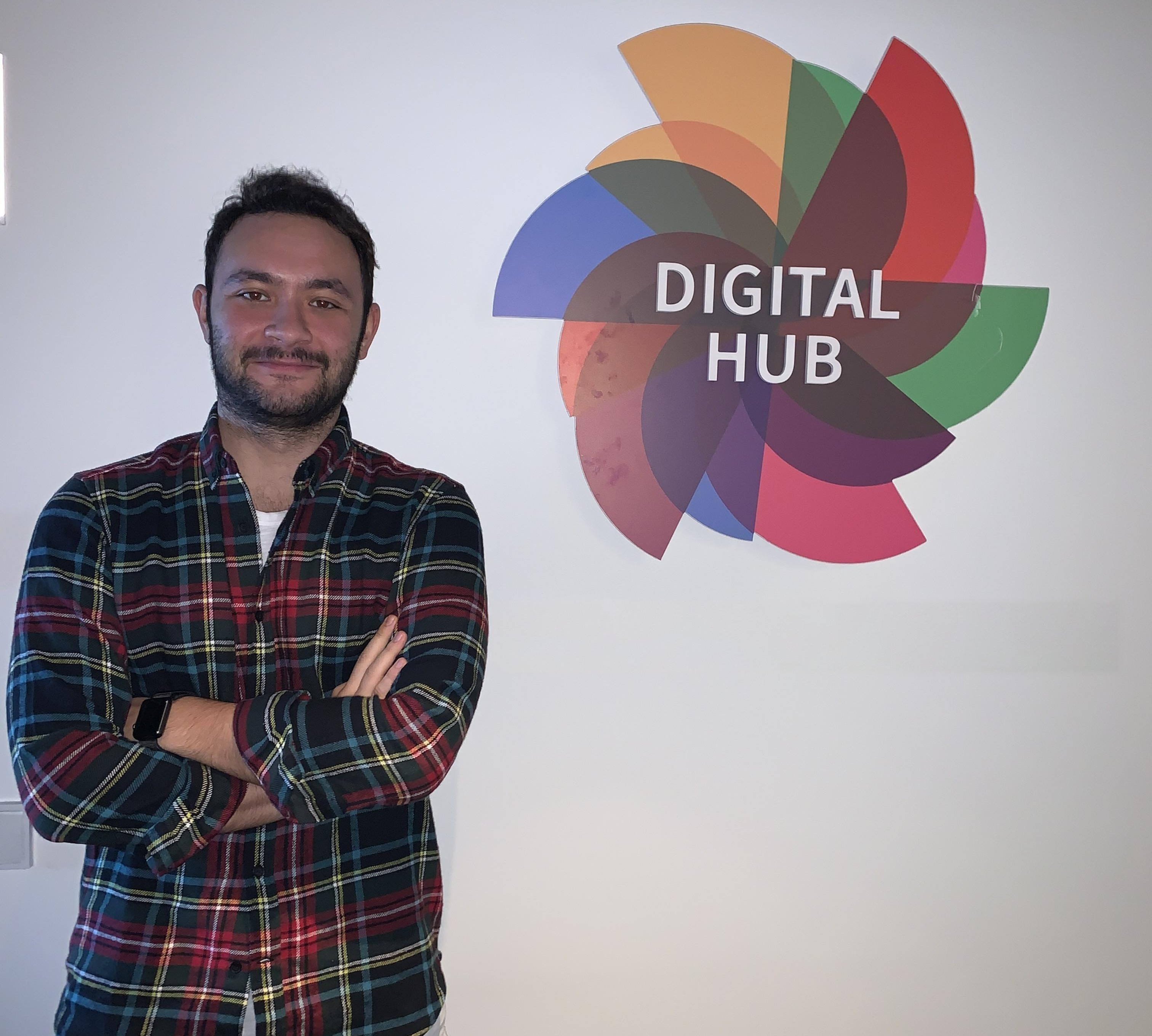
For Deniz Barut, Head of Digital Marketing, Media & dCommerce Home Care Europe at Unilever, brand growth is not driven by one single lever. It comes from connecting the full system: investing in brands for the mid to long term, understanding changing consumer needs, turning those insights into relevant innovation, and measuring whether every euro is being used in the right way. In Home Care, where habits, channels and expectations are shifting quickly, the brands that win are the ones that keep listening, adapting and building for the future.
Brand Growth means Profitable Growth
At Unilever Home Care, Deniz does not see growth as simply selling the same products at higher prices. The ambition is to grow in a way that strengthens both the business and the relationship with consumers. “Growth is actually divided into two pillars. One is price growth, the second one is volume growth. We’re looking after those, and I guess the most important thing is profitable growth.”
That balance matters in a category shaped by inflation, cost pressure and changing household budgets. If a brand grows only by increasing prices, the relationship with consumers becomes vulnerable. “If you’re growing only from price, that is not good in consumers’ eyes. If you love a product and you buy it for one euro, would you pay three euros for the same product in three or five years? I wouldn’t.”
Volume growth therefore becomes critical. It shows that the brand is creating new reasons to be chosen, not just extracting more value from existing behaviour. That is why innovation plays such an important role, as long as it starts from real needs and strengthens the portfolio.
“Growth is actually divided into two pillars. One is price growth, the second one is volume growth. We’re looking after those, and I guess the most important thing is profitable growth.”
Investing for the Mid to Long Term
One of the biggest shifts Deniz sees within Unilever Home Care is a stronger focus on the mid to long term. In many companies, short-term profitability can dominate decision-making. When efficiencies are found, they may be taken as profit rather than reinvested. Deniz describes a different logic: find efficiencies, put them back into the brands, and make sure the investment is spent wisely. “We look at growth across the short, mid and long term: one, three and five years. When you’re able to invest in your brands for the mid-term, and even in the short term in some cases, you’re winning.”
That does not mean simply spending more. It means understanding where each euro creates the most value. Marketing mix modelling, ROI thinking and marginal return analysis guide decisions across digital, TV, out-of-home, retail media and other channels. “You need to find a way to understand the ROI of every extra euro you invest into a brand. We need to invest more wisely.”
For Deniz, there is no universal answer to the right media mix. A channel that works well in one market may be less effective in another. The same applies to brands, categories and consumer behaviours. “We’re not just closing our eyes and jumping into that pool. We’re looking a bit deeper.”
‘When you’re able to invest in your brands for the mid-term, and even in the short term in some cases, you’re winning.”
Turning Consumer Needs into Innovation
When Deniz talks about volume growth, innovation plays a central role. In Home Care, the core remains essential, but new product development creates space for incremental growth. A clear example is Quickwash, a proposition built around the rise of shorter washing cycles. These shorter cycles created a new product challenge: traditional detergents are not always designed to dissolve and perform properly in such a short time.
“We found out that consumers need more time, and nobody likes those long cycles anymore. There are a few reasons. It’s because of your pocket, because if you use long cycles you need more energy, electricity and water, and that costs money. And one of the important things that costs money is your time.” This insight led to products specifically designed for shorter cycles, such as Quickwash. For Deniz, it is a strong example of insight-to-action: identifying a real behaviour shift, understanding the problem behind it and building a proposition that answers it.
The same mindset applies to other science-led innovations, such as cleaning products with probiotics that are already active in several European markets. These launches show how technology and consumer relevance can come together. “If your products are scientifically proven and if consumers are talking about you on social, then you can’t ask for more.”
“If your products are scientifically proven and if consumers are talking about you on social, then you can’t ask for more.”
From One-Way Communication to a Consumer Feedback Loop
A major shift in marketing, according to Deniz, is the move from one-way communication to a many-to-many environment. In the past, brands could rely more heavily on mass communication. Today, attention is fragmented, content needs to be more tailored, and consumers actively engage, react and share their needs across platforms. “It used to be one-to-many. It was one commercial to many people. But now it’s many to many.”
For Unilever, this means producing more content, but also listening more actively. Consumer conversations on platforms such as TikTok, Instagram and Reddit are not only communication moments, but also sources of insight. People talk about what they need, what frustrates them and what they expect from brands. That information has to flow back into the organisation. “You need to reflect those conversations and engagement from consumers back to the business, to understand the needs of the consumers.”
This is where Deniz sees marketing playing a broader role. Marketing is not only responsible for campaigns; it is also one of the functions closest to the consumer. Its job is to bring those insights into the business, including to R&D, so that innovation is grounded in real needs rather than internal assumptions.
Global Scale, Local Relevance
Unilever’s scale makes it possible to launch big ideas across markets, but Deniz is clear that local relevance remains essential. Home Care brands can differ significantly by country, even when the underlying product or proposition is similar.
Robijn, for example, is a strong local brand in the Netherlands, while similar propositions may sit under other brand names elsewhere. “Even though the world is getting globalised and connected, every market has different needs. Dutch households versus UK households are so different.”
Those differences affect everything from brand naming to channel strategy. In the Netherlands, for instance, online grocery and dCommerce are especially relevant for Home Care because of local shopping habits: smaller homes, frequent supermarket visits and consumers travelling by bike. “For Home Care, can you imagine carrying a product that weighs 500 grams in your bicycle? Then you just order online. These small sociological nuances bring different needs.”
This is why Deniz values what he calls glocalisation: global propositions and assets, adapted with local understanding. For Quickwash, Usain Bolt may be the global face because of the association with speed, but in the Benelux the local Robijn bear can also play a role. “The product is global, and the asset is global, but we’re adapting towards our local households. I really love to use that word: glocalisation.”
“The product is global, and the asset is global, but we’re adapting it with our own households. I really love to use that word: glocalisation.”
Faster, Smarter and more Empowered Teams
To support the need for speed and local adaptation, Unilever Home Care is producing more content in-house. The Netherlands was one of the first markets to start this new way of working, which is now being embraced by several Home Care markets around the world. “We realised that if we do this type of asset creation in-house, it’s much more efficient. We’re tracking a few things: faster, better, cheaper.”
AI is already becoming part of that process. Deniz explains that in Benelux, a large share of new in-house assets is supported by AI, although not fully created by it. “In Benelux, we’re producing new assets in-house. Not purely created by AI, but helped by AI.”
When asked what advice he would give to others building long-term growth, Deniz comes back to three points: keep the consumer insight cycle always on, invest in brands in a measurable way, and build strong teams. “There is no secret formula on a brand or country level. Every market’s need is different. Invest in your brand from a measurability perspective, and that measurability brings your growth.” But the human part is just as important. “Build teams in an accountable, credible and empowered way. Teams are bringing success.”
In a fast-changing Home Care market, that combination is what brand growth ultimately requires: staying close to consumers, investing with purpose, and building the organisational muscle to turn insight into action.
“There is no secret formula on a brand or country level. Every market’s need is different. Invest in your brand from a measurability perspective, and that measurability brings your growth.”


